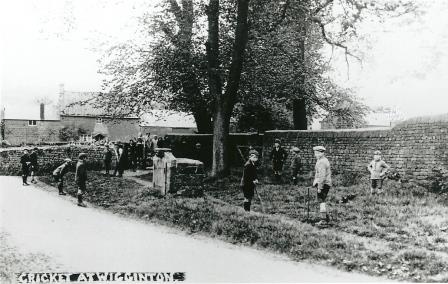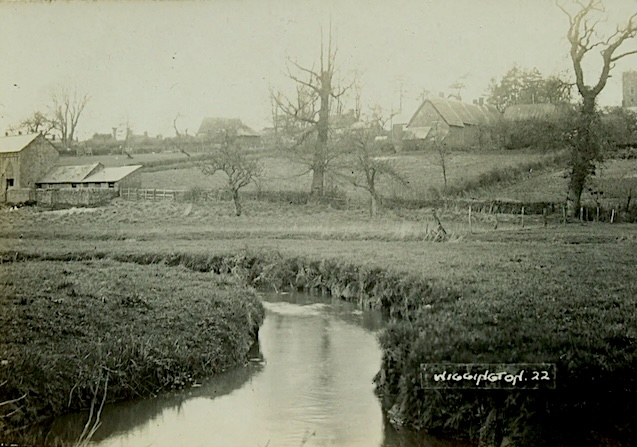
Location: Wigginton is positioned on the River Swere, about halfway between Banbury and Chipping Norton.
Proximity to towns: It is roughly five miles northeast of Chipping Norton and six miles southwest of Banbury.
County: It is in the county of Oxfordshire, within the Cherwell District.
Early history & origins
- The parish covers just under 5 km² and is bounded in part by the River Swere at its southern edge.
- Archaeological evidence shows much earlier habitation: there is an Iron-Age enclosure ~300 m north-east of the church, on which a sizable Roman villa was later built in the 2nd century AD, with occupation reduced in the 4th century.
- The village name “Wigginton” is of Old English origin: it comes from the name of a Saxon lord, Wicga, who may have held extensive property in the neighbourhood, with -tun meaning a settlement. It’s also mentioned in the Domesday Book.
Medieval to early modern period
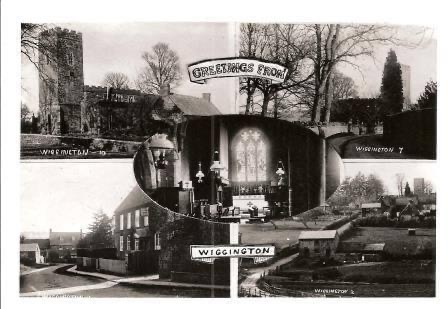
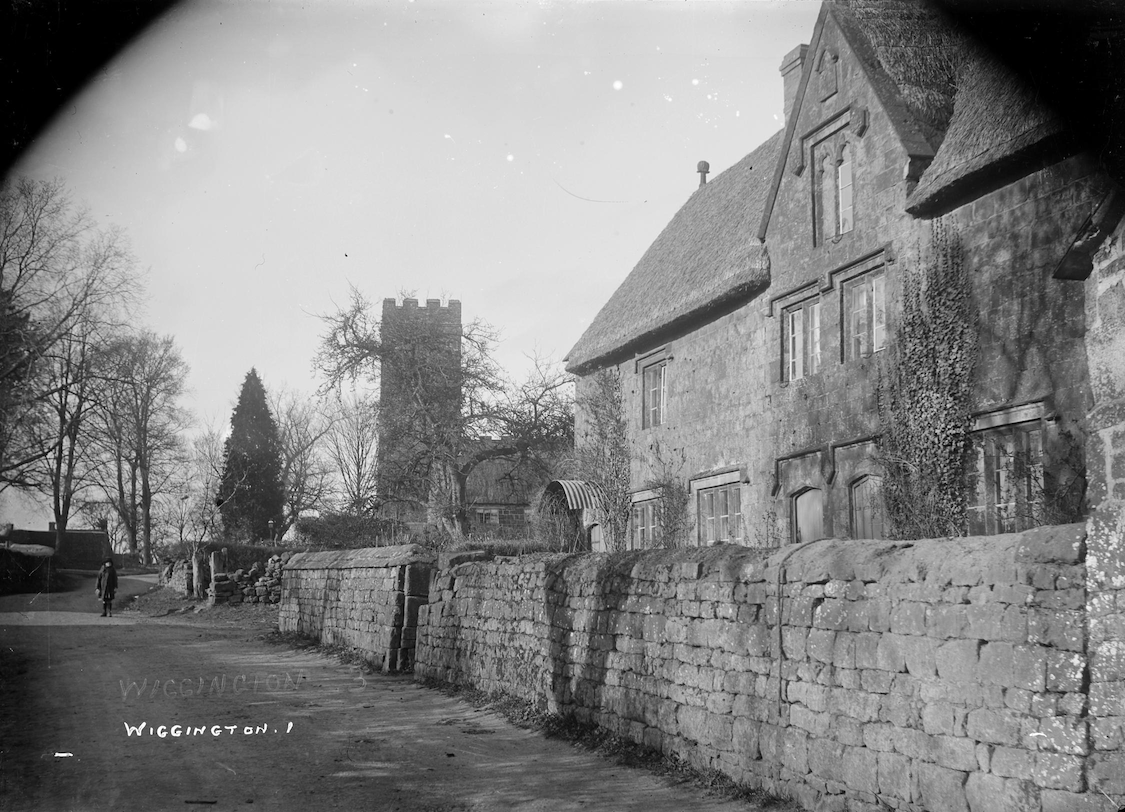
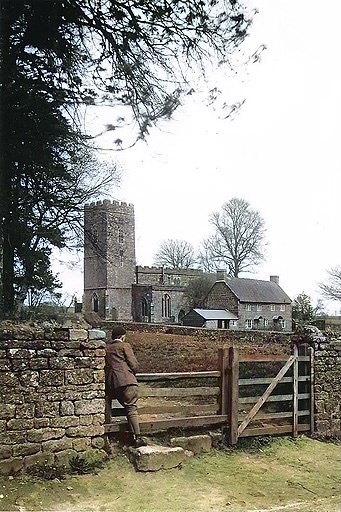
- The parish church of St Giles, Wigginton has a late-13th century nave and aisles, with the chancel built around 1300, and Perpendicular additions (tower, porch, clerestory) in the 14th/15th century.
- This indicates the village was well-established by the later Middle Ages, with an agricultural settlement and a significant church building.
- In the 19th century the church was restored (chancel & south aisle c. 1870, nave & north aisle c. 1886) by noted Gothic Revival architects.
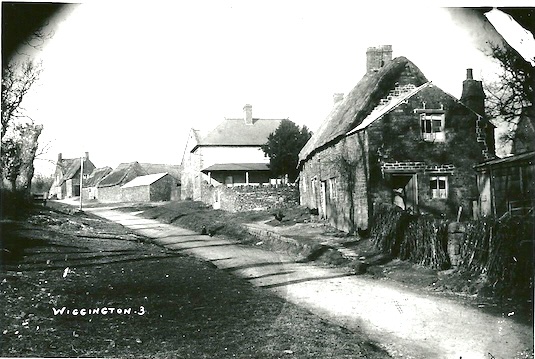
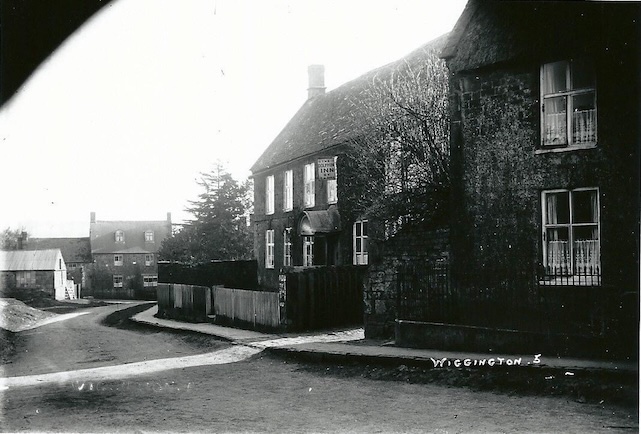
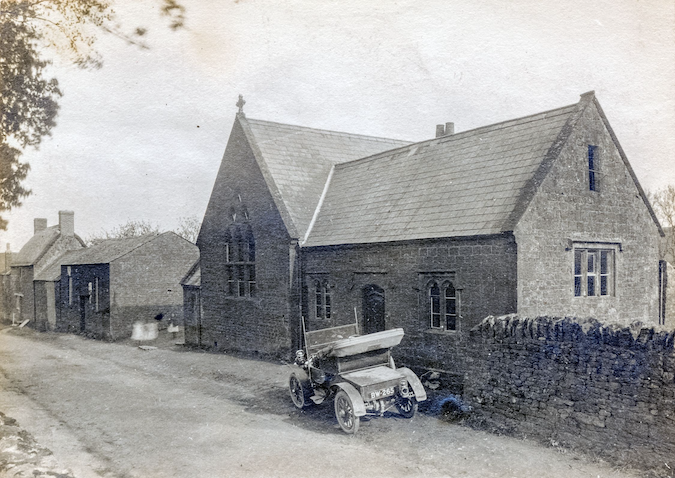
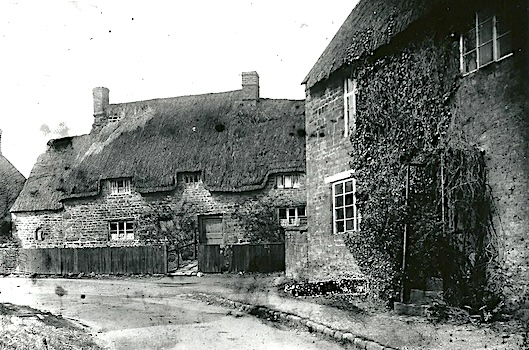
- The parish (and village) remained largely agricultural for much of its history, with housing and farms built in the local ironstone and characteristic vernacular styles.
19th & 20th centuries, and modern times
- The parish was designated a conservation area in March 1988 by the Cherwell District Council.
- Although the population is modest (194 at the 2011 census) the village’s long history and built heritage (church, remains of the Roman villa, historic cottages) make it of interest.
- The local-history web site notes the Roman villa site remains as a protected monument.
Why the village matters
- The archaeological sequence (Iron Age → Roman villa → medieval village) gives Wigginton particular historical depth.
- The church of St Giles is a fine example of medieval architecture in rural Oxfordshire, with multiple periods of work and restoration.
- As a compact village with surviving older built fabric (ironstone cottages, historic lanes) it gives a picture of continuity in rural English settlement, while being accessible to Banbury and the north-Cotswolds. This is why it is so important that the Conservation Area is strictly adhered to and not gradually chipped away.
A useful resource for documents and images held by Oxfordshire County Council's Heritage division can be found HERE
The definitive history of Wigginton is located in Volume IX of The Victoria County History of Oxfordshire. The online version of this fantastic resource can be found HERE